10 Euro Casino
10 euro casino in Nederland: vergelijk minimale stortingen, bonusvoorwaarden bij Casino777, BetCity, BetMGM en LeoVegas, iDEAL | Wero en opnames.
2026-10-22
Read →
Bring your language, discipline, and lived experience. We design speculative futures as shared infrastructure.
A modular landing template: glassy panels, connective nodes, braided timelines—built for inclusive, multilingual-ready storytelling.
A luminous, modular space for imagining futures that fit more bodies, more languages, more ways of knowing. We braid research, story, and community practice into actionable prototypes.
Tip: Use these frames as a “constellation” carousel—each slide is a node you can replace with real work, portraits, or prototypes.
Updates that travel through the network: launches, calls, and cross-community collaborations.
10 euro casino in Nederland: vergelijk minimale stortingen, bonusvoorwaarden bij Casino777, BetCity, BetMGM en LeoVegas, iDEAL | Wero en opnames.

A step-by-step branching storyline writing guide to help you plan interactive narratives, map choices and consequences, structure story branches, write compelling decision points, track variables, avoid plot holes, and polish multiple endings for games and interactive fiction.

Explore second person perspective in interactive fiction, including why IF often uses “you,” how it boosts immersion and player agency, when it can feel intrusive, and practical tips for writing effective second-person narration with choices.

Learn how to review speculative fiction anthologies properly with a clear framework for evaluating short story collections across sci-fi, fantasy, and horror. This guide covers what to assess (theme, editorial vision, story quality, variety of voices, pacing), how to balance individual story notes with overall anthology cohesion, and how to write fair, useful reviews for readers and authors.

Explore feminist themes in science fiction with a clear breakdown of the genre’s most important ideas-gender roles, patriarchy, bodily autonomy, reproductive politics, intersectionality, queer futures, and power structures. This article explains how feminist sci‑fi uses speculative worlds to critique real social systems and highlights influential authors and landmark works that shaped feminist science fiction.

Discover the best science fiction and fantasy short stories of 2014, featuring standout SFF tales from leading authors, acclaimed magazine publications, and award-winning selections. This curated list highlights must-read speculative fiction-ranging from space opera and cyberpunk to epic fantasy and dark fantasy-perfect for readers looking for the top short story picks from 2014.
Learn the difference between a novella and a novel word count in speculative fiction, including common industry ranges (novelette, novella, short novel), genre expectations for sci-fi and fantasy, and practical guidance on choosing the right length for your story and publishing goals.

An overview of Chinese science fiction in translation, exploring how translated Chinese sci-fi reached global readers, the authors and landmark books that shaped the movement, major themes and styles, and the translators, publishers, and awards that helped popularize Chinese science fiction worldwide.

Explore wealth gap themes in dystopian fiction, from extreme economic inequality and class segregation to corporate rule, resource scarcity, and social control. This article breaks down how dystopian novels and films use the rich-versus-poor divide to drive conflict, shape characters’ survival choices, and critique real-world systems of privilege and exploitation.

A reflection on the transformative Clarion West writing workshop experience and an enthusiastic call to join the Clarion West Write A Thon to support future writers.

Author JY Yang talks about their story Red Is The Color Of Mother Dirt in the feminist anthology Athenas Daughters vol 2 and another story Transfers From Connecting Flights in An Alphabet Of Embers reflecting on politics patriarchy selfrejection and diverse anthologies

Archive page for MISSHALLELUJAH.NET month January 2015 featuring posts Award Eligibility Post 2014 Airplanes and Martian Colonies Oh My and TO TUSINDE FJORTEN AF BEDOMMELSESUDVALG
A constellation feed: small observations that become patterns when we place them side-by-side.
Learn what to look for in science fiction short story reviews, including big ideas, worldbuilding efficiency, character depth, pacing, endings, prose style, and emotional impact. Use this checklist to evaluate sci-fi shorts and write better reviews with clear criteria and genre-specific insights.

Explore queer representation in fantasy literature, from LGBTQ+ protagonists and side characters to inclusive worldbuilding, chosen-family themes, and nonbinary identities. This article examines common tropes, harmful stereotypes to avoid, standout subgenres like epic fantasy and romantasy, and how modern authors are expanding fantasy with authentic queer stories.

Beginner guide to writing interactive fiction stories, including how to plan branching narratives, design meaningful choices, build characters and scenes for player agency, and structure multiple endings. Learn interactive fiction basics, common formats (choice-based and parser-based), outlining tips, pacing, and tools to start writing your first interactive story.

Use this novelette review and analysis structure guide to write stronger critiques with a repeatable framework. Learn how to organize a novelette review, summarize the plot without spoilers, analyze theme and character arcs, evaluate pacing and prose style, discuss symbolism and narrative voice, compare genre expectations, and deliver a balanced verdict with evidence-based commentary.

Discover the best science fiction and fantasy short stories of 2015, featuring standout SFF reads from top magazines and anthologies. Explore award-winning and critically acclaimed speculative fiction-space opera, dystopian sci-fi, epic fantasy, dark fantasy, and more-in a curated list of must-read short stories from 2015.

Learn how to make choices matter in interactive narratives with proven design strategies for player agency, branching story structure, meaningful consequences, and replay value. This guide covers choice design frameworks, consequence mapping, narrative feedback loops, and techniques to avoid false choices while keeping production scope manageable.

Explore what makes a story award worthy in SFF (science fiction and fantasy), from originality and strong voice to worldbuilding, character depth, thematic resonance, and emotional payoff. Learn the craft choices that help stories stand out with award judges and readers alike.

Archive page of MISSHALLELUJAH.NET for April 2013 featuring posts Tender Cuts A Novel Idea Perhaps and A Tale Of One Cat And Two Boxes covering poetry writing and a viral cat story
Blog post from June 14 2015 by JY Yang sharing publication updates story sales and a new role as first reader for Strange Horizons with notes on several works.

Monthly short fiction roundup covering Jan to Mar 2015 by JY Yang, highlighting standout speculative stories and a longer list of additional recommended reads.

Awardeligible science fiction stories from 2014 including Storytelling For The Night Clerk Harvestfruit and Patterns Of A Murmuration plus Campbell award notes
A reflective 2014 writing roundup covering speculative fiction submissions sales rejections milestones and statistics with humor about time language and Google Translate
Small, remixable experiments—built to interlock. Each card is a node you can adapt to your community.

Discover fantasy short fiction recommendations for new readers, featuring beginner-friendly stories and collections that are easy to jump into. This guide highlights accessible fantasy short stories with clear worldbuilding, memorable characters, and a range of tones-from cozy and whimsical to epic and dark-so new readers can find the best place to start.
Learn pacing techniques for branching stories to keep interactive narratives engaging. Discover how to balance player choice with momentum using scene length control, decision timing, tension curves, bottlenecks, variable stakes, and smart branch management for interactive fiction and narrative games.

Learn the difference between a short story and a novelette with clear definitions, typical word counts, narrative scope, character development, pacing, and publishing categories. This guide explains how short stories compare to novelettes, when to choose each form, and why the distinction matters for writers, readers, and submissions.

Explore religion in science fiction storytelling-from invented faiths and futuristic mythologies to cults, cosmic gods, and AI religions. Learn how sci-fi uses belief systems to build worlds, drive conflict, question morality, and examine humanity’s search for meaning across space and time.

Learn how award categories work in speculative fiction, including common distinctions like novel vs novella vs short story, series awards, debut awards, and genre-specific categories across major honors such as the Hugo Awards, Nebula Awards, Locus Awards, and World Fantasy Awards. This guide explains eligibility rules, publication formats, and how category definitions shape what gets nominated and wins.
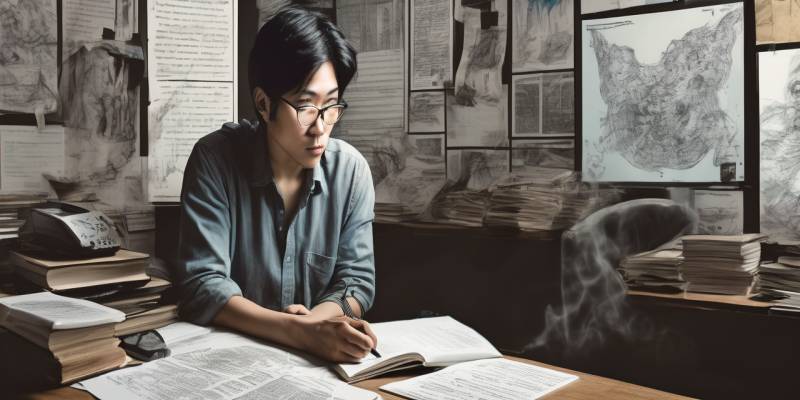
Explore Asian voices in speculative fiction today-from breakout authors and award-winning novels to emerging trends across fantasy, science fiction, and horror. This article highlights essential books, cultural influences, diaspora perspectives, translation in SFF, and how contemporary Asian writers are redefining worldbuilding, mythology retellings, climate futures, and genre-bending storytelling.

Explore the top speculative fiction highlights from July 2016, featuring standout science fiction, fantasy, and horror picks. This roundup covers notable releases, buzzworthy stories, and key genre trends from the month for readers looking for the best of July 2016 speculative fiction.
Learn practical choice-based narrative design tips for writers, including how to create meaningful player decisions, plan branching story structure, manage consequences, track variables and flags, write strong choice prompts, and deliver satisfying endings without overwhelming scope.
Two weekends ago I attended a novel writing masterclass organised by Writing The City taught by Jean McNeil and Julia Bell at the Arts House in Singapore. We explored character point of view time and narrative through daily exercises and sharing.

Archive page for January 2016 on MISSHALLELUJAH.NET featuring two posts by JY Yang on Clarion workshops writing community accessibility and quitting writing amid discouragement
Over the last month or so I made a couple of sales and a bunch more things came out I thought to myself time to make a blogpost with updates and news
Roundup of short speculative fiction from January to March 2015 with detailed impressions of standout stories and a curated list of additional recommended reads.